

What is Laser Pointer Syndrome in Dogs?

Many people think that laser pointers will provide great entertainment for dogs. It’s an endless game where you don’t have to leave the couch to play with them. However, playing with a laser pointer can actually cause significant behavioral and mental health problems in your dog.

Beagle dog resting on a blue blanket with a sad expression.

What Is Laser Pointer Syndrome?

A laser pointer triggers your dog’s prey drive and thus, their desire to chase. However, your dog has no ability to actually catch the little red dot. Dogs will thus simply get frustrated because the game has no closure. Dogs can keep looking for the red dot even after you have put the toy away.

This can result in “laser pointer syndrome,” in which your dog just keeps frantically searching for the light. They may stare at the last location they saw it, react to flashes of light, and develop high levels of anxiety.

Causes of Laser Pointer Syndrome in Dogs

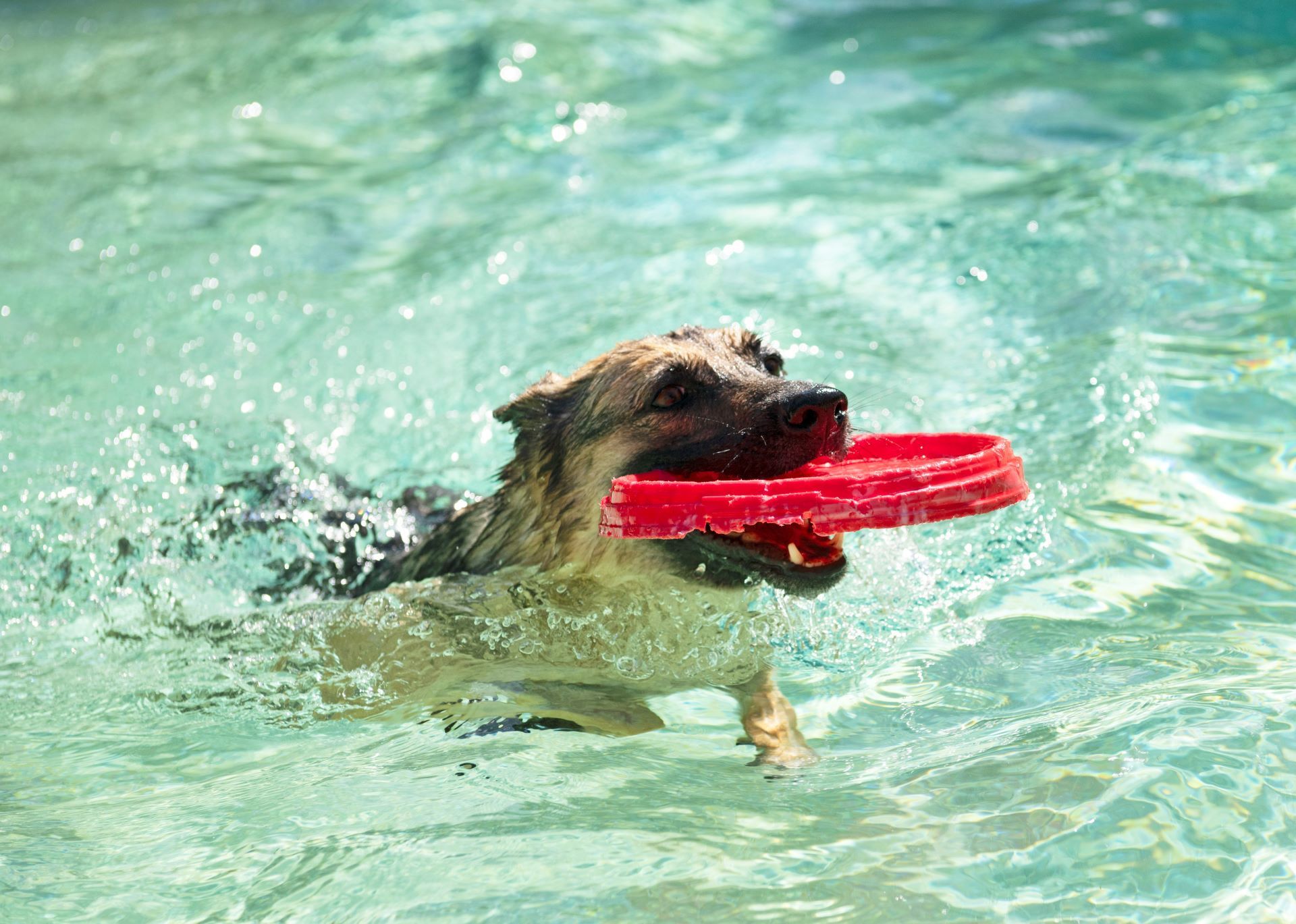
Dogs don’t just need to chase something, they need to catch it. Balls, frisbees, and other toys are perfect for dogs because they can catch and “kill” the toy and then present it to the rest of the pack proudly. When your dog plays fetch they are “hunting for the pack.”

When the dog can’t catch the laser pointer, they develop massive levels of frustration. Another thing that can cause frustration is teasing your dog with a “ghost ball.” Pretending to throw a ball but not actually doing so will eventually annoy your dog.

Working sniffer dogs  can also develop something similar to laser pointer syndrome if they don’t make successful finds. Because of this, they are routinely given practice sessions in which they get to actually find something.

There does appear to be a genetic component. Dogs with high prey drive are more likely to get laser pointer syndrome, and some vets believe that it occurs in dogs with an underlying susceptibility to OCD.

How To Diagnose Laser Pointer Syndrome in Dogs

Laser pointer syndrome resembles a form of obsessive-compulsive disorder. Watch out for these behaviors:

  • Staring at or constantly revisiting the last place they saw the red dot.
  • Pouncing on lights or shadows.
  • Chasing reflections to the point where they cause injury.
  • Chasing lights rather than eating or drinking.

Treatment Options for Laser Pointer Syndrome in Dogs

There is no straightforward treatment for laser pointer syndrome. The best thing you can do is redirect the urge to other, healthier,  sports or games. If your dog is a smarter breed, then they may need a “job.” Dogs with high prey drive often enjoy lure coursing, where they do eventually get to catch the “prey.”

The best way to treat laser pointer syndrome is to keep it from developing in the first place.

Prevention Tips for Laser Pointer Syndrome in Dogs

The best way to prevent laser pointer syndrome is  never  to play with your dog with a laser pointer. If you have children and a laser pointer, make sure they don’t give in to the temptation. Young children should, in any case, not be permitted to play with laser pointers as they can damage their vision or somebody else’s.

If you play scent games with a dog, always finish the session by letting them find something. Don’t tease your dog either by only pretending to throw a ball.

If you don’t feel like throwing a ball and chasing around with your dog, a flirt pole can be useful. These are similar to fishing poles for cats and consist of a stick and string. When playing with a flirt pole with a dog, do not lift it so the dog leaps off the ground to get it; this can result in injury from too much jumping.

When to See a Vet for Your Dog’s Potential Symptoms of Laser Pointer Syndrome

You should see a vet if your dog is injuring themselves chasing lights, or if they are ignoring food, water, and social activity. Your vet can give tips for management and potentially anti-anxiety medication, which can help some dogs.

Give Your Dog Something To Focus On At Sit Now Stay

Laser pointer syndrome is most often caused by playing with a dog using a laser pointer. Because of the way a dog’s prey drive is, this can result in extreme frustration and OCD-like symptoms. You should not use a laser pointer as a dog toy, but stick to throwing them balls, etc.

If your dog has laser pointer syndrome, a good trainer can help you redirect them to healthier activities.  Contact Sit Now Stay Dog Training  for help.

Recent Posts

Dog with exposed teeth baring its teeth and growling on a green grassy field.
By quillenmarketingteam November 11, 2025
When a dog shows aggression — lunging, growling, snapping — it’s more than a behavior issue: it’s a communication breakdown. At Sit Now Stay, we believe aggression is a signal […] The post Tackling Aggressive Dog Training — How Professional Training Makes a Difference appeared first on Sit Now Stay.
Woman walking a brown and white dog on a leash in a park on a sunny day.
By quillenmarketingteam October 29, 2025
Board and Train gives dogs the consistency they need to learn faster. At Sit Now Stay’s Lenexa training facility, your dog works daily with professional trainers who build strong habits, […] The post Why Board and Train in Lenexa is the Best Option for Dogs appeared first on Sit Now Stay.
Six dogs of different breeds pose together on a white background.
By admin October 14, 2025
Every dog deserves training that matches their stage in life. At Sit Now Stay Dog Training in Lenexa, KS, we offer customized programs designed for puppies, adult dogs, and senior […] The post Training for All Ages: Options Available at Sit Now Stay for Puppies, Adult Dogs, and Seniors appeared first on Sit Now Stay.
Siberian husky service dog wearing blue vest, sitting attentively beside person in jeans, indoors.
By admin April 24, 2025
Every dog has the potential to be a well-mannered companion, but sometimes, undesirable behaviors make that journey a little more challenging. Whether your dog is struggling with excessive barking, leash […] The post Transforming Troublemakers into Well-Behaved Companions with Sit Now Stay Dog Training appeared first on Sit Now Stay.